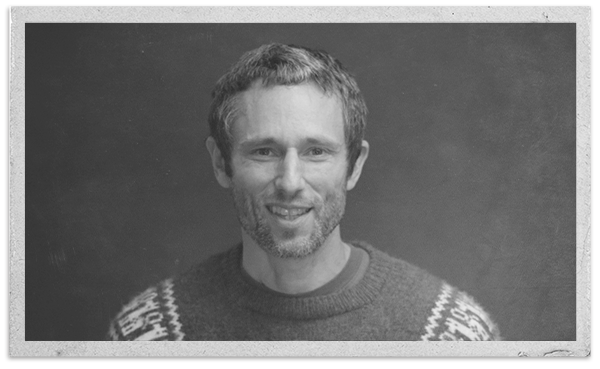
“The state of interbeing is a vulnerable state. It is the vulnerability of the naive altruist, of the trusting lover, of the unguarded sharer. To enter it, one must leave behind the seeming shelter of a control-based life, protected by walls of cynicism, judgment, and blame.” - ― Charles Eisenstein, The More Beautiful World Our Hearts Know Is Possible
“The present convergence of crises––in money, energy, education, health, water, soil, climate, politics, the environment, and more––is a birth crisis, expelling us from the old world into a new.” ― Charles Eisenstein, Sacred Economics: Money, Gift, and Society in the Age of Transition
“Addiction, self-sabotage, procrastination, laziness, rage, chronic fatigue, and depression are all ways that we withhold our full participation in the program of life we are offered. When the conscious mind cannot find a reason to say no, the unconscious says no in its own way.”
― Charles Eisenstein, The More Beautiful World Our Hearts Know Is Possible
“The things we need most are the things we have become most afraid of, such as adventure, intimacy, and authentic communication. We avert our eyes and stick to comfortable topics. We hold it as a virtue to be private, to be discreet, so that no one sees our dirty laundry. We are uncomfortable with intimacy and connection, which are among the greatest of our unmet needs today. To be truly seen and heard, to be truly known, is a deep human need. Our hunger for it is so omnipresent, so much apart of our life experience, that we no more know what it is missing than a fish knows it is wet. We need more intimacy than nearly anyone considers normal. Always hungry for it, we seek solace and sustenance in the closest available substitutes: television, shopping, pornography, conspicuous consumption — anything to ease the hurt, to feel connected, or to project an image by which we might be seen or known, or at least see and know ourselves.”
― Charles Eisenstein
“When we must pay the true price for the depletion of nature’s gifts, materials will become more precious to us, and economic logic will reinforce, and not contradict, our heart’s desire to treat the world with reverence and, when we receive nature’s gifts, to use them well.” ― Charles Eisenstein, Sacred Economics: Money, Gift, and Society in the Age of Transition
“How beautiful can life be? We hardly dare imagine it.”
― Charles Eisenstein, The More Beautiful World Our Hearts Know Is Possible
“The more beautiful world my heart knows is possible is a world with a lot more pleasure: a lot more touch, a lot more lovemaking, a lot more hugging, a lot more deep gazing into each other’s eyes, a lot more fresh-ground tortillas and just-harvested tomatoes still warm from the sun, a lot more singing, a lot more dancing, a lot more timelessness, a lot more beauty in the built environment, a lot more pristine views, a lot more water fresh from the spring. Have you ever tasted real water, springing from the earth after a twenty-year journey through the mountain? None of these pleasures is very far away. None requires any new inventions, nor the subservience of the many to the few. Yet our society is destitute of them all. Our wealth, so-called, is a veil for our poverty, a substitute for what is missing. Because it cannot meet most of our true needs, it is an addictive substitute. No amount can ever be enough. Many of us already see through the superficial substitute pleasures we are offered. They are boring to us, or even revolting. We needn’t sacrifice pleasure to reject them. We need only sacrifice the habit, deeply ingrained, of choosing a lesser pleasure over a greater. Where does this habit come from? It is an essential strand of the world of separation, because most of the tasks that we must do to keep the world-devouring machine operating do not feel very good at all. To keep doing them, we must be trained to deny pleasure.” ― Charles Eisenstein, The More Beautiful World Our Hearts Know Is Possible